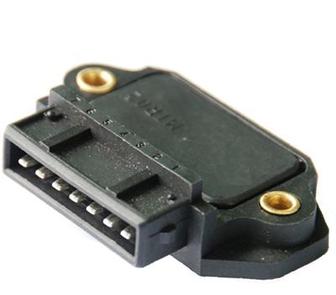
About Used Ignition Modules
The ignition module controls the spark timing signal to the coils, and a failing module causes misfires, stalling, or a no-start, often when hot. A used module is an inexpensive fix for these mostly older-vehicle systems.
What an Ignition Module Does
The ignition module, or ignition control module, is the electronic unit that switches the ignition coil on and off at the right moment to fire the spark plugs. On older vehicles it lives in or near the distributor or on the fender, taking the engine position signal and triggering the coil precisely.
Signs Your Ignition Module Is Failing
- An engine that stalls when hot and restarts after cooling
- Misfires, rough running, or cutting out
- A no-spark, no-start condition
- Intermittent loss of power or bucking
What to Check When Buying a Used Ignition Module
- Match the exact module for your engine and ignition type
- Check the connector pins for corrosion or heat damage
- Ask whether the module was tested, heat-related failure is common
- Use heat-sink compound under modules that mount to a plate
Common Applications
Ignition modules are common on older distributor and early distributorless ignitions. Heat kills them, which is why hot-stall-then-restart is the classic symptom, and a used module restores reliable spark cheaply.
Related Parts
Frequently Asked Questions
What is the classic sign of a bad ignition module?
An engine that runs fine cold, stalls once it gets hot, and restarts after sitting to cool. Heat breaks down the module's electronics, so the fault appears with temperature and disappears when it cools.
Where is the ignition module located?
It varies: inside or on the distributor, on the fender or firewall, or under the coil pack on some designs. Your engine's ignition type determines the module and its location.
Why does heat-sink compound matter?
Many modules mount to a metal plate that draws heat away, and the compound transfers that heat. Installing a module dry makes it run hotter and fail sooner, so apply fresh compound where the design calls for it.
Do modern cars have ignition modules?
Most modern engines build the ignition control into the engine computer or into coil-on-plug units, so a separate module is mostly an older-vehicle part. Match what your engine actually uses.