About Used Radiator Overflow Bottles
The overflow bottle looks simple, but a cracked one leaves puddles and a cooling system that cannot hold the right level. A used reservoir is one of the cheapest cooling repairs there is.
What a Radiator Overflow Bottle Does
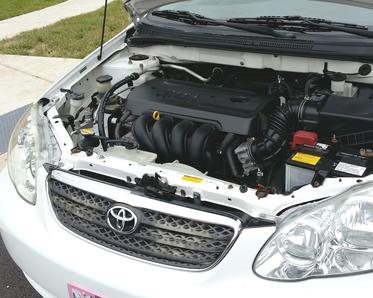
The overflow or coolant recovery bottle catches coolant as it expands and heats up, then draws it back into the system as things cool. It keeps the system full and gives you a place to check and top off the coolant level.
Signs Your Radiator Overflow Bottle Is Failing
- Coolant puddles or stains under the bottle from a crack or split seam
- A low coolant level that keeps returning
- A broken or leaking cap that will not hold pressure, on pressurized designs
- A cracked or fogged bottle that makes the level hard to read
What to Check When Buying a Used Radiator Overflow Bottle
- Check the body and seams for cracks and old coolant stains
- Inspect the cap and its seal, especially on pressurized reservoirs
- Confirm the hose fittings and any level sensor match your setup
- Make sure the mounting matches your engine bay
Common Applications
Every modern cooling system uses a recovery bottle, and the plastic grows brittle with heat and age, cracking most often at the seams and around the cap neck.
Related Parts
Frequently Asked Questions
Why does my coolant keep disappearing with no obvious leak?
A hairline crack in the overflow bottle can weep just enough to drop the level without leaving an obvious puddle. Check the bottle and its seams closely, since they are a common quiet leak.
Is the overflow bottle pressurized?
It depends on the design. Older systems use a simple recovery bottle that is not pressurized, while many newer ones make the bottle part of the pressurized system with a rated cap. Match the correct type.
Can I reuse my old cap on a used bottle?
If your old cap is in good shape and is the correct rating, yes. But if the cap seal is worn, replace it, since a bad cap will not hold system pressure.
Are these bottles vehicle-specific?
Yes. Shape, mounting, hose locations, and sensor provisions vary, so use the correct bottle for your year, make, and model.