About Used Tires
Tires wear out, get damaged, or age, and a used tire with good tread can be a budget option, though condition and age matter a lot for safety. Matching the size and checking wear is essential.
What a Tire Does
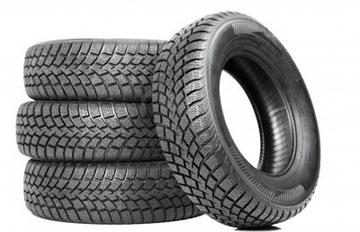
The tire is the rubber that mounts on the wheel and contacts the road, providing grip, cushioning, and load support. It comes in a specific size and load and speed rating molded on the sidewall, and its tread and condition determine traction, especially in wet or winter conditions.
Signs Your Tire Is Failing
- Worn tread that reduces grip and fails inspection
- Damage such as cuts, bulges, or sidewall cracks
- Uneven wear from alignment or suspension issues
- An aged tire, since rubber hardens over years even with tread left
What to Check When Buying a Used Tire
- Check the tread depth and look for even wear
- Inspect for cuts, bulges, plugs, patches, and sidewall cracks
- Check the age from the date code on the sidewall
- Match the exact size and a suitable load and speed rating
Common Applications
Every vehicle needs tires, and a good used tire can be economical for a spare, a mismatched replacement, or a short-term need. Condition, tread, and age matter most, since tires are a critical safety item.
Related Parts
Frequently Asked Questions
Is it safe to buy used tires?
It can be, if the tire has good, even tread, no damage like cuts or bulges, and is not too old. Tires are a safety item, so inspect carefully and avoid ones with sidewall cracks, plugs in the sidewall, or high age.
How old is too old for a tire?
Rubber hardens with age even with tread left, and many suggest replacing tires around six years from their date code regardless of tread. Check the four-digit date code on the sidewall on any used tire.
What do the numbers on the sidewall mean?
They give the tire size, plus a load index and speed rating. Match the size to your vehicle and use a load and speed rating suitable for it, which you can confirm against your door placard.
Should used tires match each other?
Ideally yes, especially on the same axle. Matching size, type, and similar tread wear keeps handling balanced. Mismatched tires can affect stability and, on some vehicles, the drivetrain.