The antenna is a specialized transducer and in radio and electronics is an electrical device which converts electric power into radio waves, and vice versa and usually used with a radio transmitter. In transmission, a radio transmitter supplies an electric current oscillating at radio frequency to the antenna terminals, and the antenna radiates the energy from the current as electromagnetic waves. Whereas in reception, an antenna intercepts some of the power of an electromagnetic wave so to produce a tiny voltage at its terminals, that is applied to a receiver to be amplified. In computer and Internet wireless applications, the most common type of antenna is the dish antenna, used for satellite communications.
On the other hand whip antenna which is used on automobiles is of a straight, flexible wire or rod like antenna in which the bottom end is connected to the radio receiver. Whip antennas are normally designed as resonant antennas; the rod acts as a resonator for radio waves, with standing waves of voltage and current reflected back and forth from its ends. Therefore, the length of the antenna rod is determined by the wavelength of the radio waves used.
With all the best in class sound upgrades that you can fix your vehicle with, nothing can at present beat the constancy of a vehicle FM/AM radio. You may as of now have an exceedingly productive and remarkable stereo framework with every one of the advantages like an executioner MP3 and CD player yet having a radio flag can stay up with the latest with the traffic, give you the most recent news and engaging music from your neighborhood FM/AM radio stations.
Be that as it may, having a decent radio flag still relies upon having a trustworthy receiving wire. Without it, your radio is nothing. A vehicle receiving wire, which can be any electronic structure that is made to emanate or get radio signs and other electromagnetic waves, is an absolute necessity for each vehicle.
You may state that your vehicle’s stock reception apparatus will do however it won’t keep going that long, might be four to six years. They won’t keep going that long on the chance that you live close to the sea where the salty ocean air can without much of a stretch erode it. A rusted reception apparatus should be promptly replaced on the grounds that, it won’t work that proficiently. Furthermore, in case you’re considering changing your radio wire or even your reception apparatus pole, make certain to get a power receiving wire or even a high-gain receiving wire for a beyond any doubt flag. Additionally make sure to observe the materials that were utilized on the radio wire for these can have a major effect on the receiving wire’s gathering quality.
About Used Antennas
The antenna pulls in radio signals, and a broken mast, corroded base, or failed powered antenna leaves you with poor or no reception. A used antenna is an inexpensive fix.
What an Antenna Does
The antenna receives radio signals for the audio system, and on many vehicles also for GPS, satellite radio, or keyless entry. It can be a fixed mast, a short stubby or shark-fin antenna on the roof, a power antenna that raises and lowers, or an element embedded in the glass with an amplifier.
Signs Your Antenna Is Failing
- Poor or no radio reception
- A bent, broken, or missing antenna mast
- A power antenna that will not raise or lower
- A corroded base or damaged cable
What to Check When Buying a Used Antenna
- Confirm the mast, base, or fin is intact and not corroded
- On power antennas, test the raise and lower operation
- Match the type: fixed mast, fin, power, or amplified
- Match the exact antenna and mounting for your vehicle
Common Applications
Every vehicle has an antenna of some kind, from a fixed mast to a roof fin or power antenna. Broken masts, corroded bases, and failed power units are common reasons to replace them.
Related Parts
Horn • Amplifier Radio • CD Player Radio
Frequently Asked Questions
Why is my radio reception so poor?
A bent or broken antenna mast, a corroded base or connection, or a failed antenna amplifier can all weaken reception. Replacing a damaged antenna usually restores it.
What kinds of antennas are there?
Fixed masts, short stubby or shark-fin roof antennas, power antennas that raise and lower, and antennas embedded in the glass with an amplifier. Match a used one to the type your vehicle uses.
Why won't my power antenna go up?
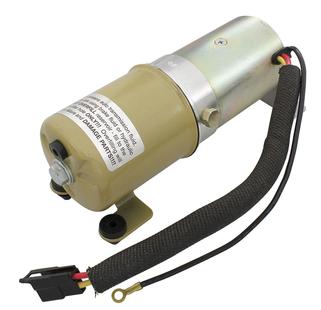
The small motor or the nylon drive cord inside a power antenna wears out, leaving it stuck. A used power antenna assembly, or the mast alone on some, restores the movement.
Are antennas vehicle-specific?
The mounting and connector are matched to your vehicle, and the type matters too. Match the correct antenna and mount for your model.