About Used Oil Coolers
A used oil cooler is a budget-friendly way to restore proper oil temperature control on your engine. Whether the original failed from internal corrosion or an external leak, a sound salvage unit off a low-mileage donor does the same job as a new one for a fraction of the cost.
What an Oil Cooler Does
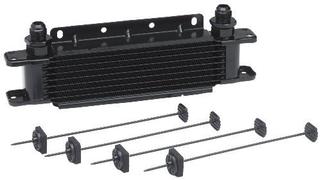
The oil cooler keeps engine oil inside its ideal temperature range so it holds the right viscosity and does not break down under load. Factory setups are usually one of two types. A liquid-to-liquid cooler routes oil past engine coolant and is often mounted at or near the oil filter housing, which is common on everyday cars and trucks. An air-to-oil cooler works like a small radiator mounted in the airflow up front, and shows up on performance engines, towing packages, and heavy-duty diesels. Either way, controlling oil temperature protects the bearings, the turbo if equipped, and the oil itself.
Signs Your Oil Cooler Is Failing
- Milky, foamy, or chocolate-colored oil, which points to coolant leaking into the oil through a failed internal seal
- Coolant loss with no visible external leak, or oil showing up in the coolant reservoir
- Oil or coolant puddles near the filter housing or the cooler lines
- Rising oil temperature or overheating when towing, hauling, or driving hard
What to Check When Buying a Used Oil Cooler
- On air-to-oil units, check the cooling fins for bending, crush damage, or debris that blocks airflow
- Inspect the inlet and outlet fittings and the sealing surfaces for cracks, stripped threads, or corrosion
- Confirm the type and fitment match your engine exactly, since liquid and air coolers are not interchangeable and port sizes vary
- Pressure-test the unit if you can, and flush it to clear any internal sludge before installing
Common Applications
Oil coolers work hardest on diesel trucks like the Ford Power Stroke, Chevy and GMC Duramax, and Ram Cummins, where they are close to a wear item. They are also common on turbocharged engines and on many GM, Ford, and Chrysler V8s. Some engines, such as certain GM 3.6L V6s, use a cooler built into the filter housing that is a known leak point, which makes a clean used replacement a popular fix.
Related Parts
Frequently Asked Questions
How do I know if my oil cooler is bad?
The clearest sign is oil and coolant mixing. Milky oil, or oil floating in the coolant tank, usually means the cooler's internal seal has failed. External oil or coolant leaks near the cooler, and oil temperatures climbing under load, are the other common tells.
Is it safe to drive with a failing oil cooler?
It is risky. If coolant is getting into the oil it thins the oil and starves the bearings, which can cause serious engine damage quickly. It is best to stop driving and replace the cooler before running the engine hard.
Will a used oil cooler work as well as a new one?
Yes, as long as it comes from a sound donor and checks out. Inspect the fins and fittings, confirm the fitment, and flush it before installing. A good salvage unit performs the same as new for far less money.
Are oil coolers specific to each vehicle?
Largely yes. They vary by cooler type, port sizes, and mounting, so you want one that matches your engine and configuration rather than a generic substitute.