About Used Transmission Bell Housings
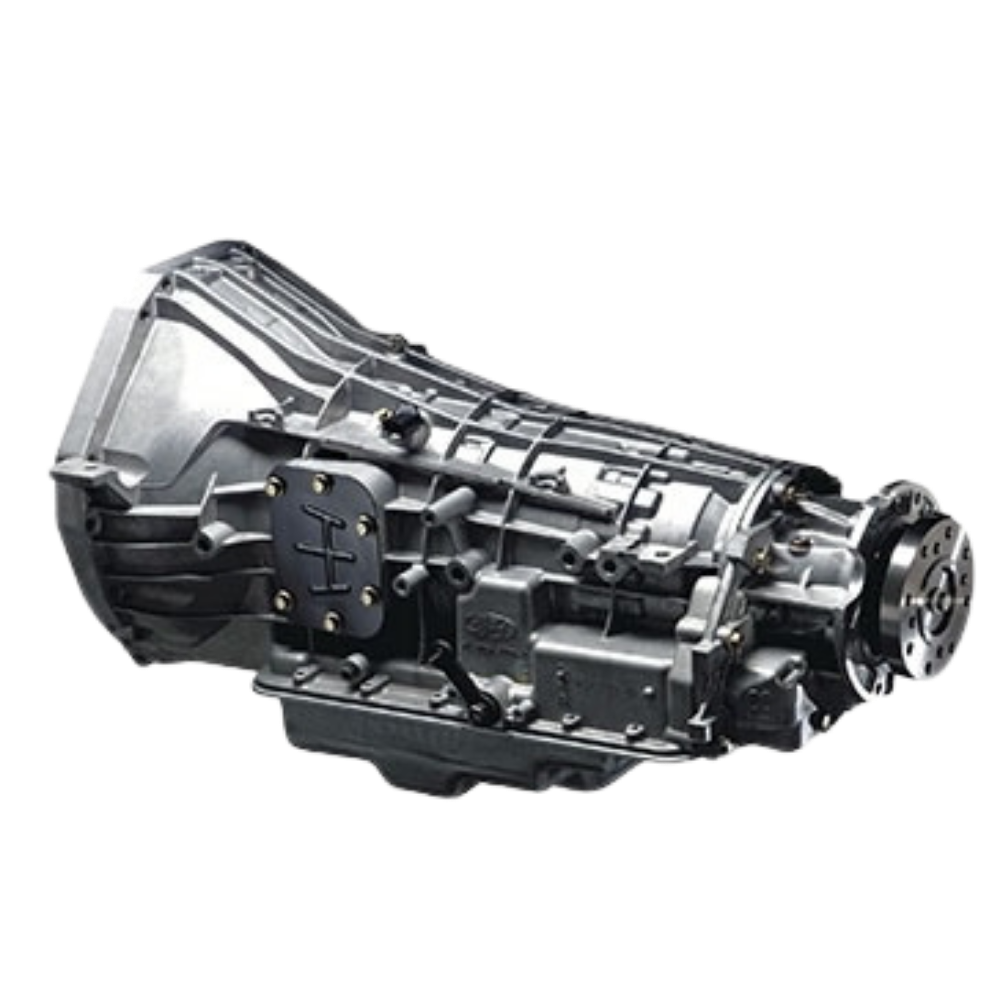
The transmission bell housing is the bell-shaped front section of the transmission that encloses the torque converter or clutch and bolts to the engine, and cracked housings need replacing. A used housing, or a donor case, is the economical fix.
What a Transmission Bell Housing Does
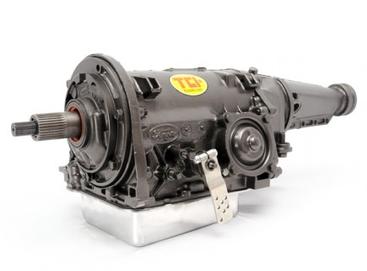
The transmission bell housing is the flared front of the transmission that surrounds the torque converter on automatics or the clutch on manuals, bolting the transmission to the engine block and keeping the assembly aligned. On most automatics it is cast as part of the transmission case.
Signs Your Transmission Bell Housing Is Failing
- A cracked housing from impact, stress, or a failed converter or flexplate
- Broken bolt ears or stripped threads
- Leaks where the housing meets the engine or case
- Damage discovered during a clutch or converter job
What to Check When Buying a Used Transmission Bell Housing
- Inspect for cracks, especially around the bolt ears and dowel holes
- Confirm whether your housing is integral or separate from the case
- Match the exact housing for your engine and transmission pairing
- Check the dowel pin holes for wear, alignment depends on them
Common Applications
Every transmission has a bell housing, integral on most automatics and separate on many manuals. Cracks from flexplate failures, impacts, and over-torqued bolts are the usual damage, and a used housing restores a solid engine-transmission joint.
Related Parts
Frequently Asked Questions
Can a cracked bell housing be driven on?
It should not be. The housing keeps the engine and transmission rigidly aligned, and a crack lets them flex, which wears the converter, pump, and bearings and can grow until the joint fails. Fix a cracked housing promptly.
Is the bell housing part of the transmission?
On most automatics it is cast as the front of the transmission case, so damage there can mean a case or transmission swap. Many manuals and some automatics use a separate bolt-on housing that replaces on its own.
What cracks bell housings?
A failed flexplate or converter letting parts flail inside, towing stress, hard impacts underneath, and over-torqued or missing bolts concentrating load. Inspect a used housing closely around every bolt ear.
Why do the dowel pins matter?
The dowels, not the bolts, set the precise engine-to-transmission alignment. Worn or wallowed dowel holes let the assembly sit off-center, which eats front pumps and clutches, so check them on any used housing.